Table of Content
"Acetone evaporates quickly," Kandalec says. "The biggest mistake that leads to gel not coming off completely is not soaking the cotton enough." Once you’ve unwrapped the foil, it should look like your gel is literally flaking off. "Gently push off any gel that's come loose using your orange wood stick or cuticle pusher," says Humphrey. You shouldn’t have to apply much pressure.
Dr. Lipner recommends using plastic food wrap rather than foil when removing gel nail polish at home. When wrapped around your nails, plastic creates a tighter seal than foil, so the acetone is less likely to drip. Gel nails are great if you're after an utterly glossy look that lasts up to two weeks. To remove them, you'll need acetone-based nail polish remover; it's the only substance that can dissolve the bond of the gel and adhesive. Acrylic nails will restrict you from using acetone, which makes it much more difficult to remove your gel nail polish. Additionally, you don't want to try filing the gel polish off your acrylics, or you might risk losing them.
Did this article help you?
Certain brands are easier to remove than others, but that typically means they may not last as long. Ask your nail technician for their recommendations on the easiest brands to remove. While it might seem like a safe alternative to using acetone, it can actually cause more damage in the long term.

Remove any dust with a manicuring brush and wipe away with alcohol and a cotton pad. Be sure to bring moisture back into your nails with cuticle oil as a final step. Gel manicures are highly preferred by women nowadays, they last long and look elegant. However, the removal process of gel manicures is quite harsh as it involves the use of Acetone that damages natural nails. And thus, people keep looking for DIY gel nail polish remover that doesn’t involve Acetone for removing the gel polish. Instead of using the foil method to remove nail polish , there is a soaking method that works.
Why it’s so hard to remove
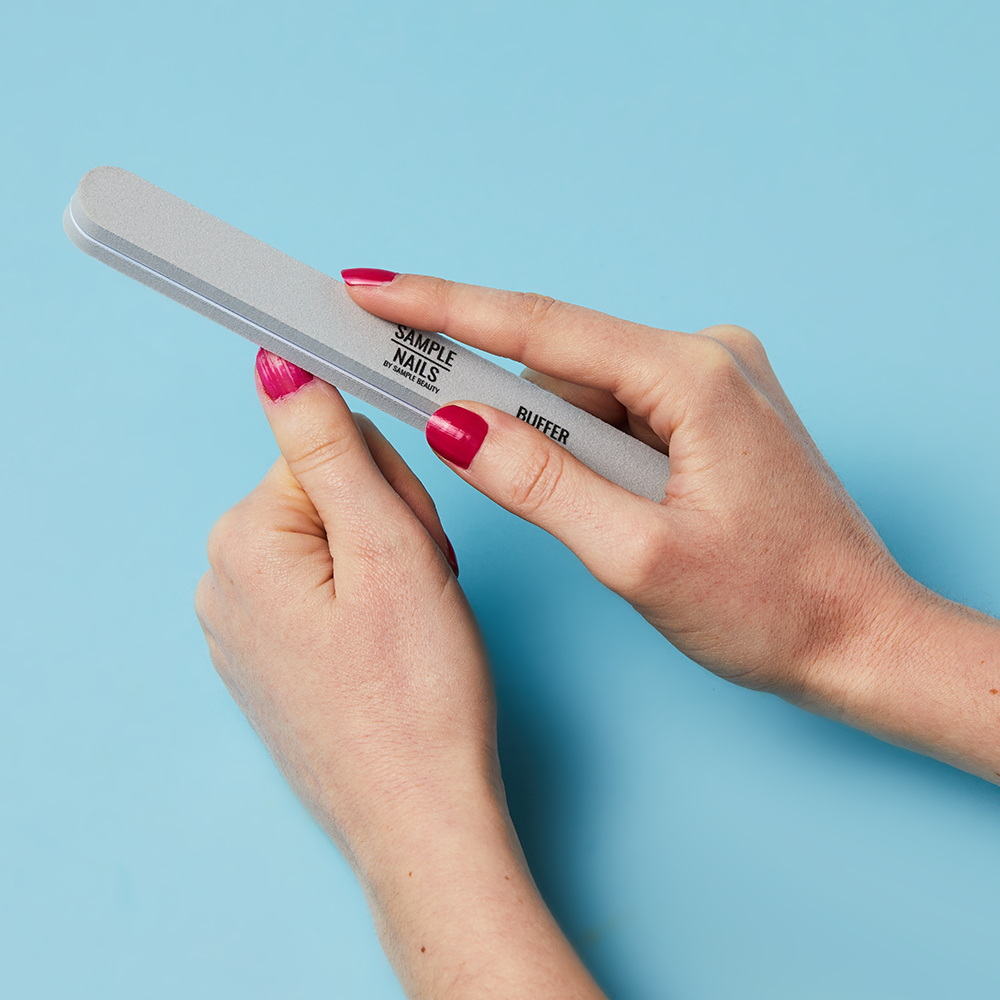
And if you file your gel polish off correctly it won’t cause any damage to your natural nails. If you're yearning to try fun new nail art—especially the ones you've been seeing all over Instagram—you'll want to get rid of your half-chipped gel and acrylic nails first. While taking off your nail polish at home has always been a major no-no, not having access to salons means you might have to take matters into your own hands. Kanchan Punjani, beauty and makeup education manager at Jean-Claude Biguine tells you how to safely remove your salon manicure. Once removed, use a four-way buffer to gently buff away any remaining glue on your natural fingernails, or use a little nail polish remover to clean off the last lot of glue residue. Buffing your nail helps speed up the removal process.
Gel nails are extremely durable and long-lasting which is one of the main reasons why they are one of the most popular forms of manicures…. You wouldn’t find a full-size white stallion unicorn with a horn covered in Swarovski crystals, pink hair and adorned with flowers in any old nail salon. This is Glitterbels, and this is our world of colour.
How to Remove a Gel Manicure at Home
Tinfoil is often used to hold the cotton balls against your fingernails, allowing the nail polish remover to soak into the polish without submerging your fingertips completely. Many people prefer removing gel nail polish at home. The process can be lengthy, but it can be painful to have your nails scraped by a nail technician, even if you frequently receive gel manicures. Once they’re chipped, you can lift up part of the gel nail with your fingernail or a pair of tweezers.

Use a nail file to buff off any remaining gel. Saturate a cotton ball with pure acetone and wrap it around your nail with a strip of aluminum foil to remove gel polish in around 15 minutes. Fill a small dish with nail polish remover and soak 10 cotton balls (not cotton pads, which don't saturate as well as cotton balls).
Buff off the top layer of polish.
Once each nail is mostly polish-free, use the gentler side of a buffing block to smooth out any remaining roughness. “The purpose of the buffer is to remove any last little bits that are on your nails and give you a smooth finish,” says Colley. Before you start, cut up 10 small squares of paper towel and 10 small strips of aluminum foil . The good news is that you most likely already have everything you need to take off gel polish in your beauty stash and kitchen drawers. If you don’t, you can find each item (or pre-made kits) at your local drugstore, or buy them online and have them delivered straight to your door. Gel polish might not be the culprit but other ingredients might be the cause of your cuticle itch.

Your gel polish will last longer if your nails are strong and healthy, and taking a break between manicures is one of the best ways to keep your nails in tip top shape. Once you’ve removed your gel polish, try going without painted nails for at least a week. This will give your nails plenty of time to repair and grow before your next manicure. Acetone is a chemical that reacts with gel nail polish to loosen the adhesive and free it from your natural nail. Show your nails a little TLC with a cuticle oil packed with ingredients for stronger, more nourished nails.
It is bad to take off gel polish with a nail drill if the operator does not have a good understanding of how to handle it. Now, once you see this use a cuticle pusher to push off the gel polish from your nails. You can also apply petroleum jelly to your cuticles and the skin around your nails beforehand to protect them from acetone’s harsh effects.
Place each piece of soaked cotton on top of the nail that it was cut to fit, and wrap the nail with plastic food wrap. Avoid wrapping your nails so tightly that you cut off your circulation. Check if the acrylic nails have gone soft—you should be able to pull it out gently. If you feel resistance, do not yank—just soak it for longer. Now, apply a generous amount of petroleum jelly on the skin surrounding your cuticles.
If you follow these steps then you’ll be able to remove your gel polish at home with no damage. "It just takes patience and care," says Humphrey. "At no point should you force or peel any gel away from the nail plate as this can lead to damage," she adds. However, Humphrey doesn’t recommend DIY gel application at home if you aren’t trained “due to the risk of developing an allergic reaction over time." "Once you’ve removed all the gel, gently buff your nails with a soft buffer and apply plenty of cuticle oil," Humphrey advises. "I recommend the Essie Apricot Nail and Cuticle Oil, and hand cream to rehydrate."

No comments:
Post a Comment